
Contents:
- The Problem
- Why Solve This
- Step-by-Step Solution
- A Comparison
- A Seasonal Timeline
- FAQ
- Do I need a commercial driver’s license?
- How much can a roadside assistance business earn?
- Should I partner with insurance companies for referrals?
- Troubleshooting
- Wrap-Up
- Scaling Into Full Towing Services
- Building a Dispatch System
- Handling Difficult or Unsafe Situations
- Setting Realistic Response Time Expectations
- Choosing the Right Service Vehicle
- Building an Emergency Response Checklist
A common myth claims roadside assistance businesses require expensive tow trucks, though many profitable operations start much smaller than that.
The Problem
Drivers stranded with dead batteries, flat tires, or lockouts need fast, affordable help, creating consistent demand for reliable local operators.
Why Solve This
Basic roadside services like jump-starts, tire changes, and lockout assistance require minimal equipment compared to full towing operations.
Step-by-Step Solution
First, decide your service scope, starting with jump-starts, tire changes, and fuel delivery before investing in towing equipment. Second, purchase basic equipment including jump boxes, a compressor, and lockout tools, budgeting $1,000-$3,000 initially.
Third, register your business, obtain liability insurance, and list your services on roadside assistance apps and local directories.
A Comparison
Basic roadside assistance differs from full towing services, which require a commercial tow truck, specialized licensing, and significantly higher startup capital.
A Seasonal Timeline
Winter months typically bring surges in dead battery calls, while summer road trip season increases flat tire and overheating service requests.
FAQ
Do I need a commercial driver’s license?
Basic roadside services like jump-starts don’t require a CDL, though towing larger vehicles typically requires additional licensing.
How much can a roadside assistance business earn?
Solo operators often earn $2,000-$5,000 monthly starting out, with income scaling significantly as service area and reputation grow.
Should I partner with insurance companies for referrals?
Yes, partnering with roadside assistance programs like those offered by insurers provides a steady stream of dispatched service calls.
Troubleshooting
If call volume feels inconsistent, joining gig-based roadside apps alongside your independent marketing provides more reliable, steady bookings.
Wrap-Up
Starting small with basic services and expanding into towing once established builds a sustainable roadside assistance business over time.
Scaling Into Full Towing Services
Once your basic service business proves profitable, investing in a used tow truck opens additional revenue streams from larger jobs.
Building a Dispatch System
A simple scheduling app or dispatch software helps coordinate calls efficiently as your roadside assistance business grows beyond solo operation.
Handling Difficult or Unsafe Situations
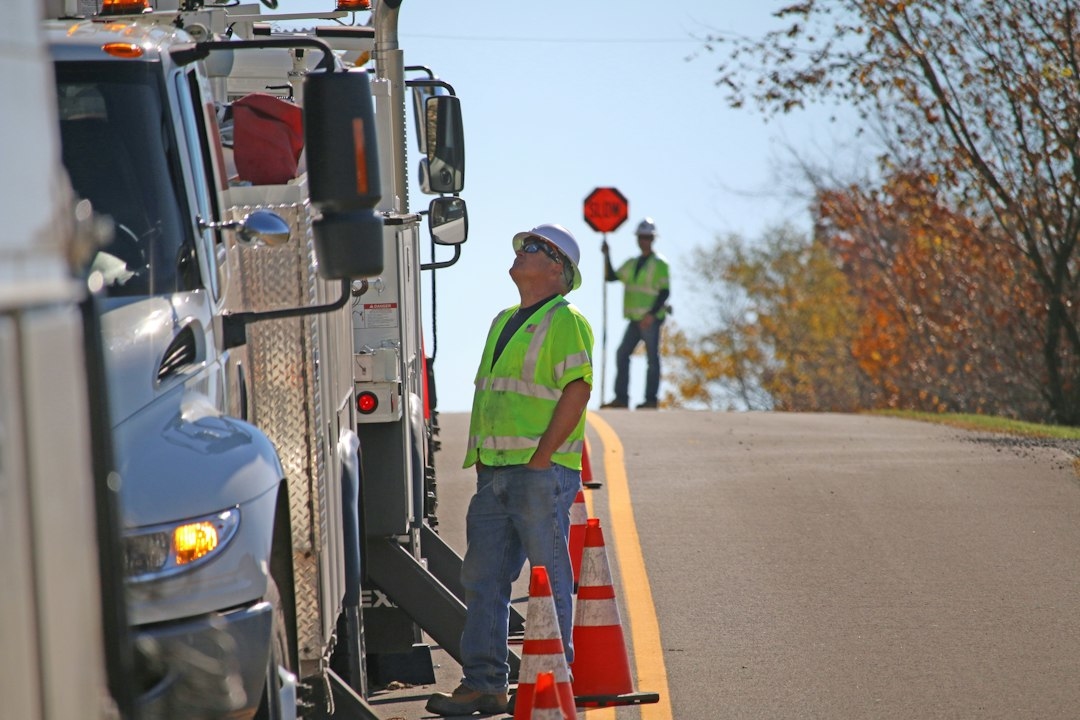
Training on recognizing unsafe roadside conditions, like poor visibility or hostile customers, protects both you and your growing reputation.
Setting Realistic Response Time Expectations
Clearly communicating estimated arrival times to stranded customers reduces frustration even when traffic or distance delays your response.
Choosing the Right Service Vehicle
A reliable pickup truck or van with adequate storage for tools and equipment matters more initially than a dedicated tow truck.
Building an Emergency Response Checklist
A standardized checklist for common calls, like dead batteries or lockouts, speeds up response time and improves consistency across jobs.