Contents:
- Brief Intro
- Preparation
- Step 1: Learn to Identify Valuable Items
- Step 2: Source Inventory Strategically
- Step 3: Photograph and List Professionally
- Step 4: Price Competitively
- What the Pros Know
- A Regional Difference
- FAQ
- How much startup capital do I need?
- Which platform is best for beginners?
- Do I need a business license to resell items?
- Getting Started Checklist
- Scaling Beyond a Solo Reselling Operation
- Understanding Platform Fees and Their Impact
- Building a Recognizable Reseller Brand
- Handling Returns and Buyer Disputes
- Diversifying Beyond a Single Reselling Platform
- Setting Long-Term Reselling Business Goals
Long before resale apps existed, flipping thrift store finds for profit was a slow, word-of-mouth-only side hustle for dedicated collectors.
Brief Intro
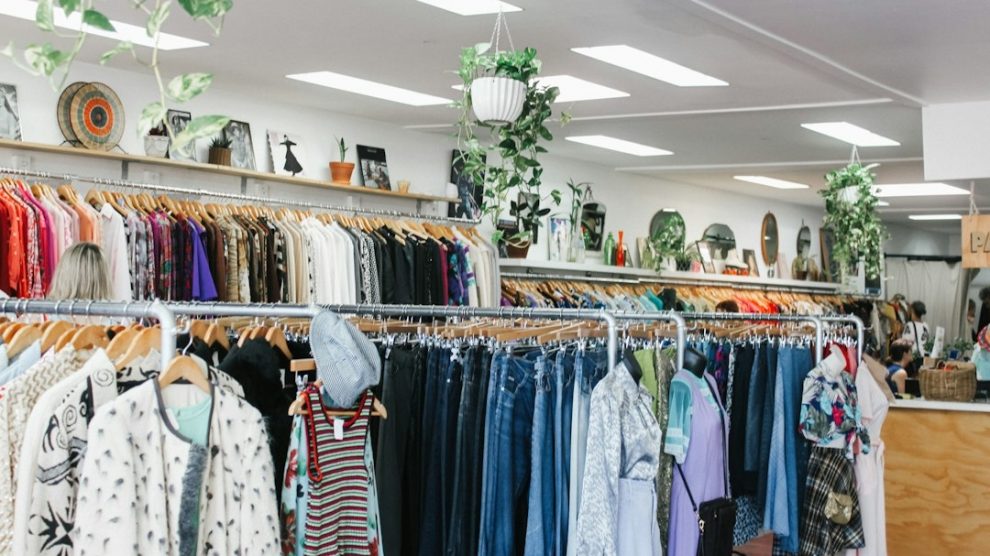
Thrift flipping involves buying undervalued secondhand items and reselling them online for profit through platforms like Poshmark and eBay.
Preparation
Research which categories sell well, whether vintage clothing, designer brands, or collectibles, before investing time in sourcing inventory.
Step 1: Learn to Identify Valuable Items
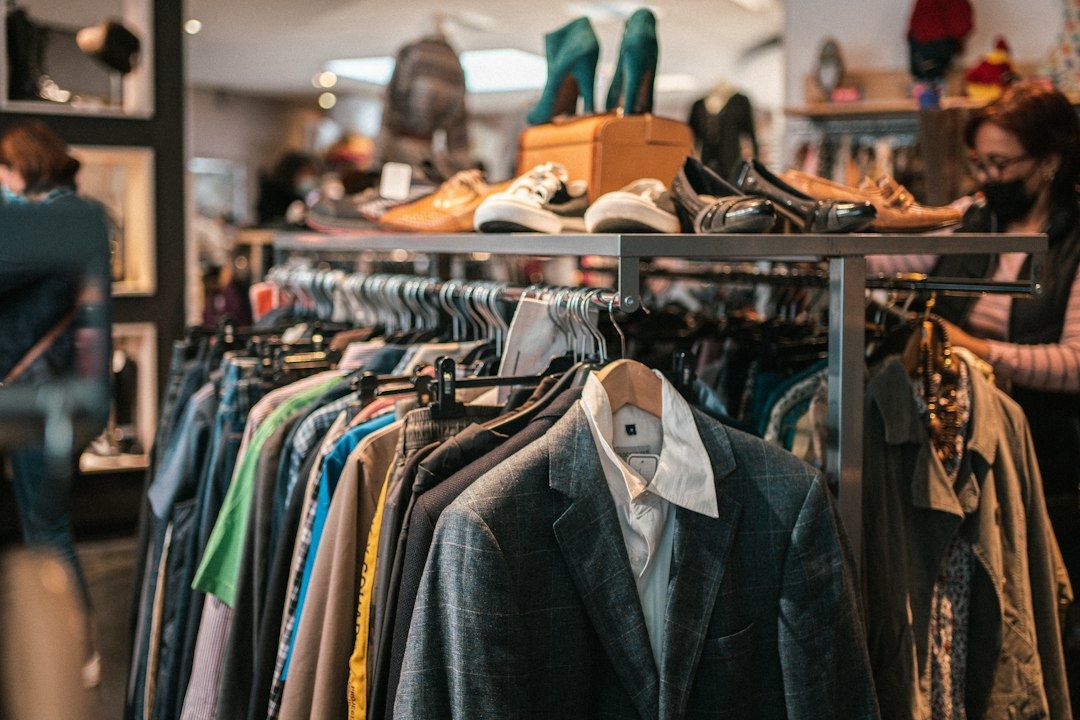
Study brand markers, fabric quality, and construction details that distinguish genuinely valuable finds from ordinary thrift store items.
Step 2: Source Inventory Strategically
Visit thrift stores on discount days, estate sales, and clearance racks, building relationships with store staff for early access to new inventory.
Step 3: Photograph and List Professionally
Take clear, well-lit photos and write detailed descriptions including measurements, since online buyers can’t physically inspect items themselves.
Step 4: Price Competitively
Research comparable sold listings to price competitively while maintaining healthy margins above your original sourcing cost.
What the Pros Know
Experienced resellers track seasonal trends, buying holiday items during off-season clearance when prices drop but demand later spikes significantly.
A Regional Difference
Thrift store inventory quality varies significantly by region; affluent suburban areas often yield higher-value donated designer items.
FAQ
How much startup capital do I need?
Many resellers start with just $50-$200 for initial inventory, reinvesting profits to gradually grow their sourcing budget over time.
Which platform is best for beginners?
Poshmark offers a beginner-friendly interface, while eBay provides broader reach for higher-value or specialized collectible items.
Do I need a business license to resell items?
Requirements vary by state and revenue level; check local regulations once your reselling income becomes substantial and consistent.
Getting Started Checklist
Choose your niche, learn valuation basics, source your first batch of inventory, and list items on your chosen platform.
Scaling Beyond a Solo Reselling Operation
Hiring help for photography and listing tasks lets successful resellers focus more time on sourcing higher-value inventory.
Understanding Platform Fees and Their Impact
Poshmark and eBay both charge selling fees, typically 10-13 percent, which must factor into your overall pricing and margin calculations.
Building a Recognizable Reseller Brand
Consistent photography style and detailed, honest descriptions build buyer trust and encourage repeat purchases from your online store.
Handling Returns and Buyer Disputes
Clear item condition descriptions and accurate measurements minimize disputes, protecting both your reputation and seller rating over time.
Diversifying Beyond a Single Reselling Platform
Listing inventory across multiple platforms simultaneously increases visibility and total sales without significantly increasing sourcing effort.
Setting Long-Term Reselling Business Goals
Deciding early whether reselling remains a side hustle or grows into a full storefront business shapes your sourcing strategy.