Contents:
- The Problem
- Why Solve This Early
- Step-by-Step Solution
- Add a Cost Breakdown
- A Regional Difference
- Examples
- Troubleshooting
- FAQ
- How do I price a painting job accurately?
- Should I hire employees or subcontractors?
- How do I find reliable painting crew members?
- Next Steps
- Building Long-Term Client Relationships
- Understanding Paint Quality Tiers
- Handling Difficult Surface Prep Situations
- Building a Reliable Subcontractor Network
- Investing in Quality Equipment Early
- Setting Payment Terms With Clients
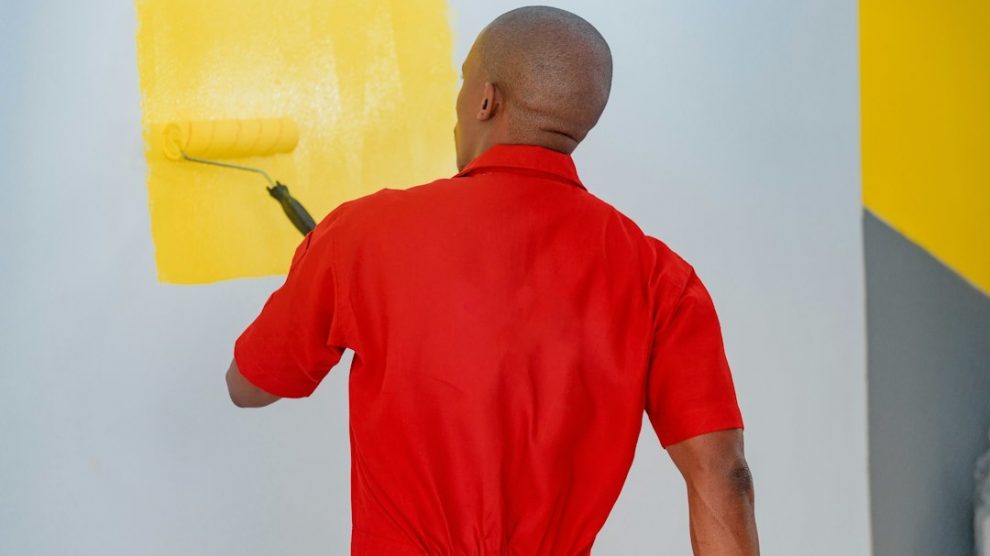
Standing in a client’s driveway, mentally calculating paint gallons and labor hours, is where every profitable painting bid actually begins.
The Problem
New painting business owners often underestimate jobs, losing money on labor and materials before realizing their pricing formula needs adjustment.
Why Solve This Early
Accurate estimating from day one prevents cash flow problems and builds a sustainable pricing structure as your painting business grows.
Step-by-Step Solution
First, measure square footage carefully and calculate paint coverage, typically 350-400 square feet per gallon for standard interior walls. Second, calculate labor hours based on surface prep needs, number of coats, and crew experience level.
Third, add material costs including primer, tape, drop cloths, and equipment wear, then apply your target profit margin, typically 20-40 percent.
Add a Cost Breakdown
A standard 2,000 square foot interior repaint typically costs clients $2,000-$4,000, depending on region, paint quality, and prep work required.
A Regional Difference
West Coast painting rates run significantly higher than Midwest or Southern rates, reflecting both labor costs and regional cost of living.
Examples
A two-person crew completing a standard exterior repaint in three days, billing $3,500 total, nets roughly $1,800 after materials and labor costs.
Troubleshooting
If estimates consistently run short, track actual time spent per job for a month to recalibrate your formula against real-world data.
FAQ
How do I price a painting job accurately?
Combine square footage measurements, material costs, labor hours, and your target margin into one consistent, repeatable estimating formula.
Should I hire employees or subcontractors?
Employees offer more control and consistency, while subcontractors provide flexibility during busy seasons without ongoing payroll commitments.
How do I find reliable painting crew members?
Trade schools, online job boards, and referrals from other contractors typically yield more reliable candidates than general job postings.
Next Steps
Develop your estimating formula, test it on several jobs, and adjust based on actual profitability before scaling up your crew size.
Building Long-Term Client Relationships
Offering maintenance touch-up packages to past clients creates recurring revenue beyond one-time full repaint jobs.
Understanding Paint Quality Tiers
Budget, mid-range, and premium paint options affect both material costs and how many coats a job realistically requires.
Handling Difficult Surface Prep Situations
Peeling paint, water damage, or mold require additional prep time that should factor directly into your job estimate.
Building a Reliable Subcontractor Network
Maintaining relationships with several reliable subcontractors lets you scale up quickly during busy seasons without hiring full-time staff.
Investing in Quality Equipment Early
Reliable sprayers and ladders reduce job time significantly, letting a painting crew complete more projects within the same week.
Setting Payment Terms With Clients
Requiring a deposit before starting work protects cash flow and reduces risk if a client later disputes the final invoice.