
Contents:
- Intro Question
- Brief Answer
- Why This Matters
- Quick Answer Box
- Add a Cost Breakdown
- When It Applies or Doesn’t
- FAQ
- How do I improve culture with a limited budget?
- Can bad culture really hurt a small business financially?
- Should culture change as a business grows?
- Conclusion
- Building Culture Through Daily Habits
- How Leadership Style Shapes Culture
- Measuring Culture Through Employee Feedback
- Culture’s Impact on Customer Perception
- Building Culture During Rapid Growth Periods
- Culture’s Role in Attracting Top Talent
- Culture as a Long-Term Competitive Advantage
A common myth claims company culture only matters at large corporations with dedicated HR departments and big budgets to spend.
Intro Question
Wondering whether culture genuinely matters for a five-person shop, not just massive corporations, deserves an honest, evidence-based answer.
Brief Answer
Strong company culture in small businesses directly improves employee retention, customer service quality, and overall operational consistency significantly.
Why This Matters
Small businesses feel the cost of turnover more acutely than large corporations, making a positive culture a genuine competitive advantage.
Quick Answer Box
Clear values, consistent communication, and genuine respect for employees form the foundation of strong culture at any business size.
Add a Cost Breakdown
Replacing a single small business employee costs an estimated $3,000-$8,000 in lost productivity and rehiring expenses, making retention genuinely valuable.
When It Applies or Doesn’t
Culture matters most in businesses with direct customer interaction, where employee attitude directly shapes the customer experience delivered daily.
FAQ
How do I improve culture with a limited budget?
Simple practices like regular recognition, transparent communication, and flexible scheduling improve culture without requiring significant financial investment.
Can bad culture really hurt a small business financially?
Yes, high turnover, poor customer service, and low morale directly translate into measurable lost revenue and increased hiring costs.
Should culture change as a business grows?
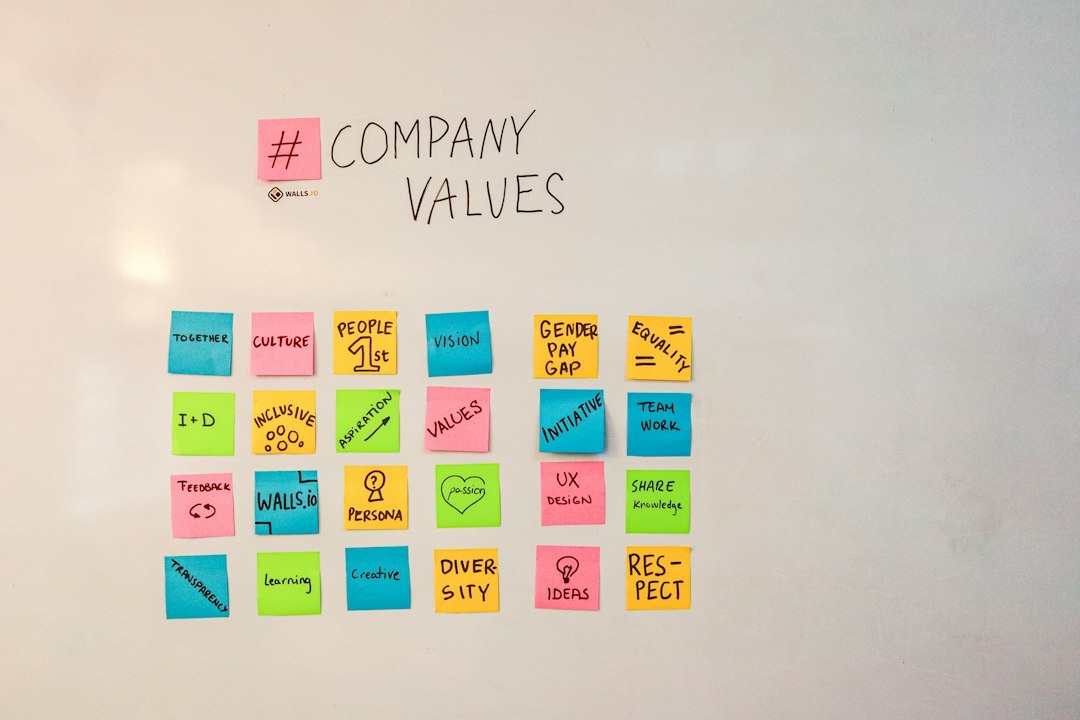
Yes, intentionally preserving core values while adapting practices prevents culture from eroding as headcount and complexity increase.
Conclusion
Investing deliberately in culture, even with limited resources, pays measurable dividends in retention and customer satisfaction for small businesses.
Building Culture Through Daily Habits
Small consistent actions, like starting meetings with genuine check-ins, build stronger culture than occasional, elaborate team-building events.
How Leadership Style Shapes Culture
Owners who model transparency and respect naturally cultivate similar behavior throughout their entire small business team over time.
Measuring Culture Through Employee Feedback
Simple, regular anonymous surveys reveal culture problems early, before they manifest as costly turnover or declining customer service.
Culture’s Impact on Customer Perception
Customers often sense workplace tension or low morale, subtly affecting their overall impression and likelihood of returning.
Building Culture During Rapid Growth Periods
Deliberately onboarding new hires into established cultural values prevents dilution as a growing small business adds staff quickly.
Culture’s Role in Attracting Top Talent
Job seekers increasingly research company culture before applying, making a strong reputation a genuine recruiting advantage for small businesses.
Culture as a Long-Term Competitive Advantage
Businesses with strong culture consistently outperform competitors during economic downturns when employee loyalty and engagement matter most.