
Contents:
- Topic Unpacking
- History and Context
- Sign 1: Your Side Business Generates Consistent Revenue
- Sign 2: You Have Six Months of Living Expenses Saved
- Sign 3: Your Business Idea Has Been Validated by Real Customers
- Sign 4: You’ve Calculated Your Actual Startup Costs
- Sign 5: Your Current Job Is Limiting Business Growth
- A Regional Difference
- Sign 6: You Have a Support System in Place
- Sign 7: You’ve Consulted With a Financial Advisor
- A Comparison
- A Sustainability Angle
- Expert Insights
- Practical Application
- FAQ
- How much savings do I really need before quitting?
- Should I quit before or after my business turns a profit?
- What if my employer won’t allow a side business?
- Is it ever right to quit without a validated business idea?
- Wrap-Up
Deciding whether to finally leave a stable paycheck behind for an unproven business idea remains one of the hardest calls entrepreneurs make.
Topic Unpacking
Knowing when to quit involves balancing financial readiness, business validation, and personal risk tolerance rather than following gut instinct alone.
History and Context
Many successful entrepreneurs historically built businesses on the side for years before quitting, contradicting the myth of overnight leaps of faith.
Sign 1: Your Side Business Generates Consistent Revenue
Consistent monthly revenue, even if modest, proves genuine market demand exists beyond hypothetical business planning and wishful projections.
Sign 2: You Have Six Months of Living Expenses Saved
Financial cushion reduces desperation-driven decisions and lets you build sustainably rather than panicking during inevitable slow early months.
Sign 3: Your Business Idea Has Been Validated by Real Customers
Paying customers, not just enthusiastic friends and family, confirm genuine market demand exists for what you’re planning to offer.
Sign 4: You’ve Calculated Your Actual Startup Costs
Realistic cost projections, rather than optimistic guesses, prevent the common trap of underfunding your transition period significantly.
Sign 5: Your Current Job Is Limiting Business Growth
When your day job actively prevents pursuing important opportunities or client meetings, the opportunity cost of staying may exceed the risk.
A Regional Difference
Cost of living varies dramatically by region, meaning your required financial cushion in San Francisco differs enormously from rural Ohio.
Sign 6: You Have a Support System in Place
Emotional and sometimes financial support from family or a partner significantly improves resilience during the challenging early transition period.
Sign 7: You’ve Consulted With a Financial Advisor
Professional guidance on taxes, health insurance, and retirement implications prevents costly financial mistakes during your business transition.
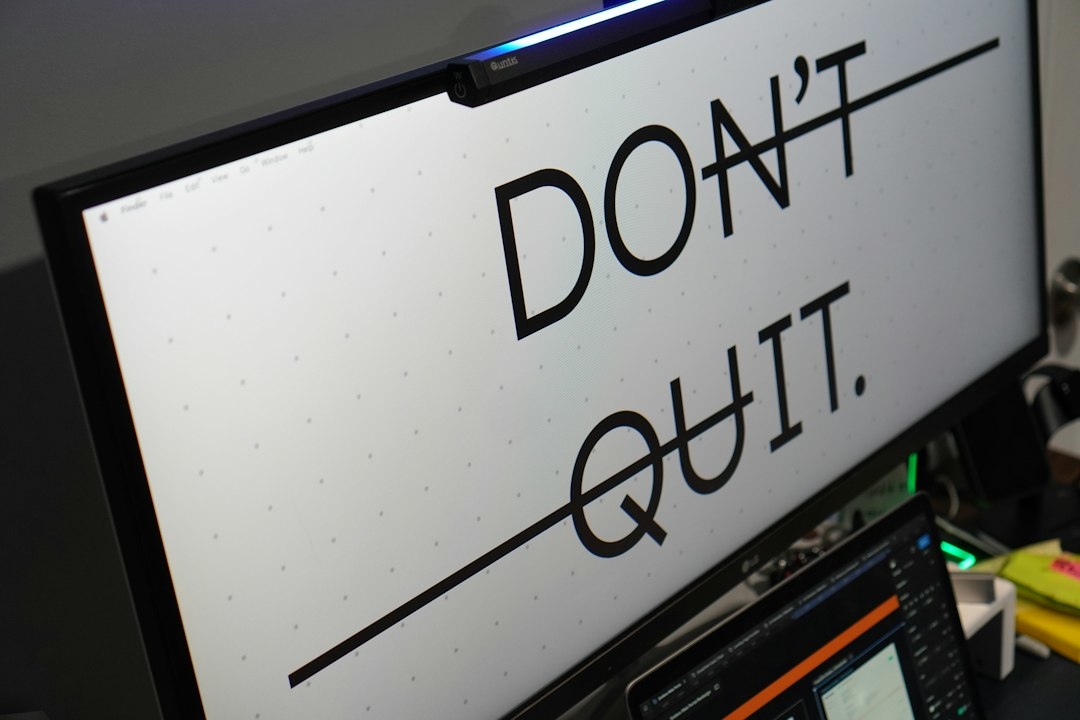
A Comparison
Quitting abruptly differs significantly from a gradual transition, where reducing hours first tests your business viability with less personal risk.
A Sustainability Angle
Building a business around sustainable practices from day one, rather than retrofitting later, often resonates strongly with modern consumers.
Expert Insights
“The businesses that survive aren’t necessarily the boldest,” says career transition coach Renata Boyle. “They’re the most deliberately prepared ones.”
Practical Application
Create a specific financial and validation checklist, reviewing it honestly rather than letting excitement override careful, realistic assessment.
FAQ
How much savings do I really need before quitting?
Most financial experts recommend six to twelve months of living expenses, though your specific business type may require more.
Should I quit before or after my business turns a profit?
Many successful entrepreneurs wait until consistent part-time revenue proves demand before fully committing and leaving employment behind.
What if my employer won’t allow a side business?
Review your employment contract carefully for non-compete or conflict-of-interest clauses before starting any side business while still employed.
Is it ever right to quit without a validated business idea?
Rarely; quitting without validation significantly increases financial risk and pressure that often undermines the business’s actual chances of success.
Wrap-Up
Weighing these seven signs honestly, rather than relying purely on excitement or frustration with your current job, leads to smarter timing decisions.