Contents:
- The Problem
- Why Solve This
- Step-by-Step Solution
- Common Mistakes to Avoid
- A Regional Difference
- A Seasonal Timeline
- Examples
- Troubleshooting
- FAQ
- How long should a press release be?
- Where should I send my press release?
- Do I need a professional PR service?
- Wrap-Up
- Building Media Relationships Over Time
- Pitching Broadcast Media Versus Print
- Following AP Style for Professional Credibility
- Distributing Through Press Release Services
- Timing Releases Around Slow News Days
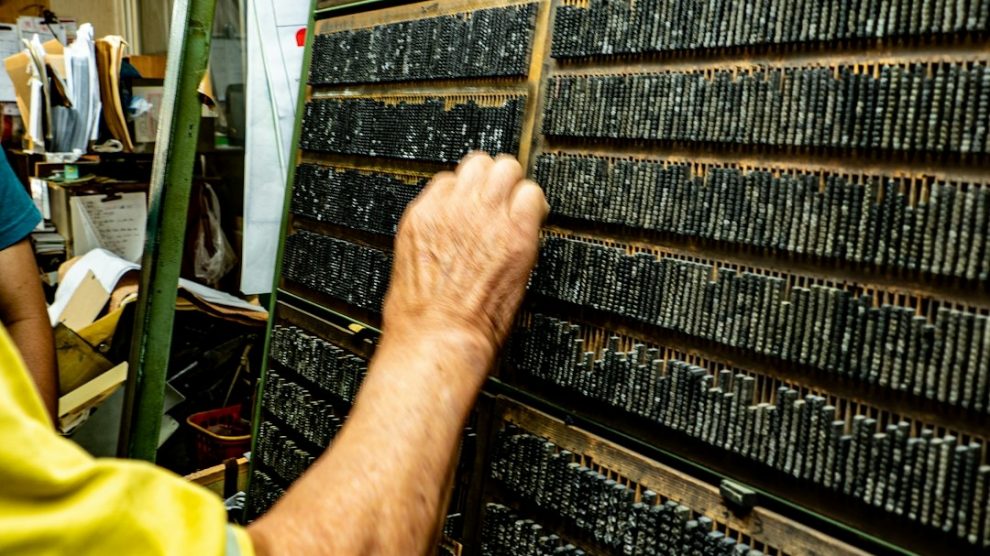
Long before social media existed, a well-written press release was the only reliable way small businesses reached local news outlets directly.
The Problem
Many small business owners either skip press releases entirely or write them poorly, missing valuable free media coverage opportunities.
Why Solve This
A well-crafted press release can generate credible media coverage that carries more trust and reach than paid advertising alone.
Step-by-Step Solution
First, identify a genuinely newsworthy angle, whether a product launch, milestone, or community involvement, rather than routine business updates. Second, write a compelling headline and lead paragraph containing the most important information upfront.
Third, include quotes from key stakeholders and factual details, then end with a boilerplate paragraph describing your business briefly.
Common Mistakes to Avoid
Burying the newsworthy angle beneath excessive company background, or writing overly promotional language, reduces journalist interest significantly.
A Regional Difference
Local newspapers and news stations often prioritize community-focused stories more heavily than larger regional or national outlets.
A Seasonal Timeline
Local media often seeks feel-good business stories around holidays, making seasonal timing worth considering for certain press release angles.
Examples
A local bakery’s press release about donating bread to a food bank generated coverage that a simple product announcement never would have.
Troubleshooting
If journalists don’t respond, following up once politely after a few days, then trying different local outlets, often yields better results.
FAQ
How long should a press release be?
Most effective press releases run 400-600 words, following the traditional inverted pyramid structure with key information stated upfront.
Where should I send my press release?
Local newspapers, radio stations, and industry-specific publications typically offer better response rates than large national media outlets.
Do I need a professional PR service?
Not necessarily; small businesses can write and distribute effective press releases themselves once they understand basic journalistic conventions.
Wrap-Up
Finding a genuinely newsworthy angle and writing with journalistic clarity, rather than marketing language, significantly improves media pickup chances.
Building Media Relationships Over Time
Regularly engaging with local journalists, even without a pending story, builds relationships that improve future coverage chances.
Pitching Broadcast Media Versus Print
Television and radio pitches require a stronger visual or audio hook, while print outlets often respond well to detailed written narratives.
Following AP Style for Professional Credibility
Writing in standard Associated Press style signals professionalism to journalists accustomed to reviewing properly formatted press releases.
Distributing Through Press Release Services
Services like PR Newswire offer broader distribution for a fee, though direct outreach to local journalists often yields better results.
Timing Releases Around Slow News Days
Sending releases on typically slower news days, like Tuesdays, sometimes improves your odds of catching an editor’s attention.