Contents:
- Brief Intro
- Quick Answer Box
- Preparation
- Step 1: Choose Your Niche and Style
- Step 2: Source Manufacturing or Blanks
- Step 3: Build Your Brand and Online Store
- An Expert Quote
- Common Mistakes to Avoid
- FAQ
- How much does it cost to start a hat business?
- Should I manufacture hats myself or use a supplier?
- Where should I sell my hats online?
- Next Steps
- Building Wholesale Relationships
- Building Wholesale and Retail Partnerships
- Protecting Your Designs Legally
- Attending Trade Shows for Wholesale Growth
- Choosing Sustainable Hat Materials
- Testing New Designs With Small Batches
A common myth claims the hat market is saturated beyond entry, though niche designs continue finding passionate, loyal customer bases every season.
Brief Intro
Starting a hat business involves choosing your niche, sourcing or designing products, and building a brand that resonates with a specific audience.
Quick Answer Box
Successful hat businesses typically combine a clear niche, quality materials, and consistent branding rather than competing on price alone.
Preparation
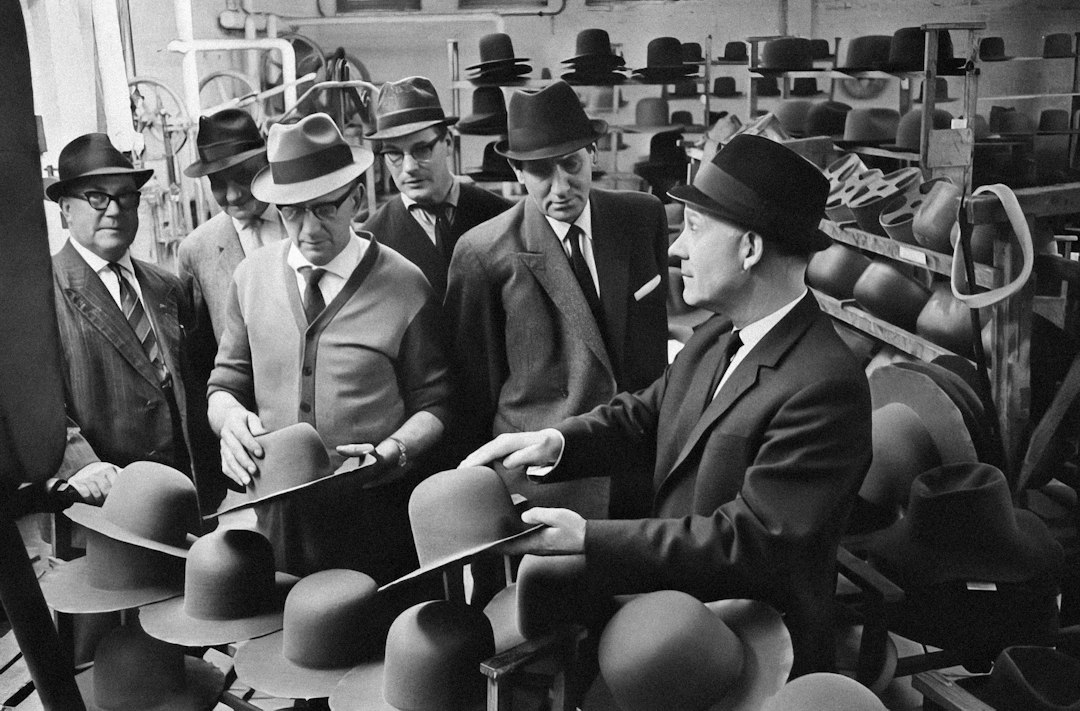
Research your niche, whether custom embroidered caps, wide-brim sun hats, or vintage-style fedoras, before sourcing suppliers or manufacturers.
Step 1: Choose Your Niche and Style
Focusing on a specific style or customer base, rather than selling generic hats, helps you build a distinct, recognizable brand identity.
Step 2: Source Manufacturing or Blanks
Decide between designing custom hats through manufacturers or customizing blank caps with embroidery, screen printing, or patches.
Step 3: Build Your Brand and Online Store
Consistent branding across packaging, photography, and social media differentiates your hats from generic alternatives in a crowded market.
An Expert Quote
“Fit and material quality drive repeat purchases,” says apparel consultant Wesley Cho. “Cheap hats generate one-time sales, not loyal customers.”
Common Mistakes to Avoid
Ordering excessive initial inventory before validating demand ties up capital in unsold stock that’s difficult to move later.
FAQ
How much does it cost to start a hat business?
Starting costs typically range from $500-$5,000 depending on whether you’re customizing blanks or developing fully custom designs.
Should I manufacture hats myself or use a supplier?
Most beginners start with blank hat customization, transitioning to full custom manufacturing once demand justifies larger minimum orders.
Where should I sell my hats online?
Shopify, Etsy, and Instagram shopping each offer different tradeoffs between built-in traffic and control over your brand presentation.
Next Steps
Choose your niche, source your first small batch, and launch your online store before investing in larger inventory quantities.
Building Wholesale Relationships
Once established, pitching local boutiques for wholesale accounts creates additional revenue streams beyond direct-to-consumer sales alone.
Building Wholesale and Retail Partnerships
Approaching boutique retailers with your hat line expands distribution beyond direct online sales, reaching customers who prefer shopping in person.
Protecting Your Designs Legally
Trademarking distinctive designs or brand names prevents competitors from copying your most successful, recognizable hat styles.
Attending Trade Shows for Wholesale Growth
Regional gift and apparel trade shows introduce your hat line to boutique buyers seeking new, distinctive products for their stores.
Choosing Sustainable Hat Materials
Organic cotton and recycled polyester options appeal to environmentally conscious customers while differentiating your brand from fast-fashion competitors.
Testing New Designs With Small Batches
Producing limited runs of new styles before committing to larger orders reduces financial risk while validating actual customer demand.