Contents:
- Overview of the End Result
- What You’ll Need
- Step 1: Choose Your Program Structure
- Step 2: Set Meaningful Reward Thresholds
- Step 3: Choose Your Tracking Technology
- Step 4: Promote Your Program Consistently
- What the Pros Know
- A Comparison
- Common Mistakes to Avoid
- FAQ
- Do loyalty programs really increase revenue?
- How much does a loyalty program cost to run?
- Should rewards be discounts or free products?
- Next Steps
- Measuring Program Success Over Time
- Integrating Loyalty Programs With Email Marketing
- Training Staff to Promote the Program Consistently
- Adjusting Rewards Based on Customer Feedback
- Launching Tiered Membership Levels
A common myth claims loyalty programs only work for massive retail chains, though small businesses often see even stronger relative results.
Overview of the End Result
By following this guide, you’ll launch a loyalty program that increases repeat purchases and strengthens customer relationships meaningfully.
What You’ll Need
You’ll need a tracking system, whether a simple punch card or digital app, and clear reward tiers that motivate repeat visits.
Step 1: Choose Your Program Structure
Points-based, tiered, or simple punch card systems each suit different business types; choose based on purchase frequency and average value.
Step 2: Set Meaningful Reward Thresholds
Rewards should feel achievable within a reasonable timeframe, encouraging genuine engagement rather than feeling permanently out of reach.
Step 3: Choose Your Tracking Technology
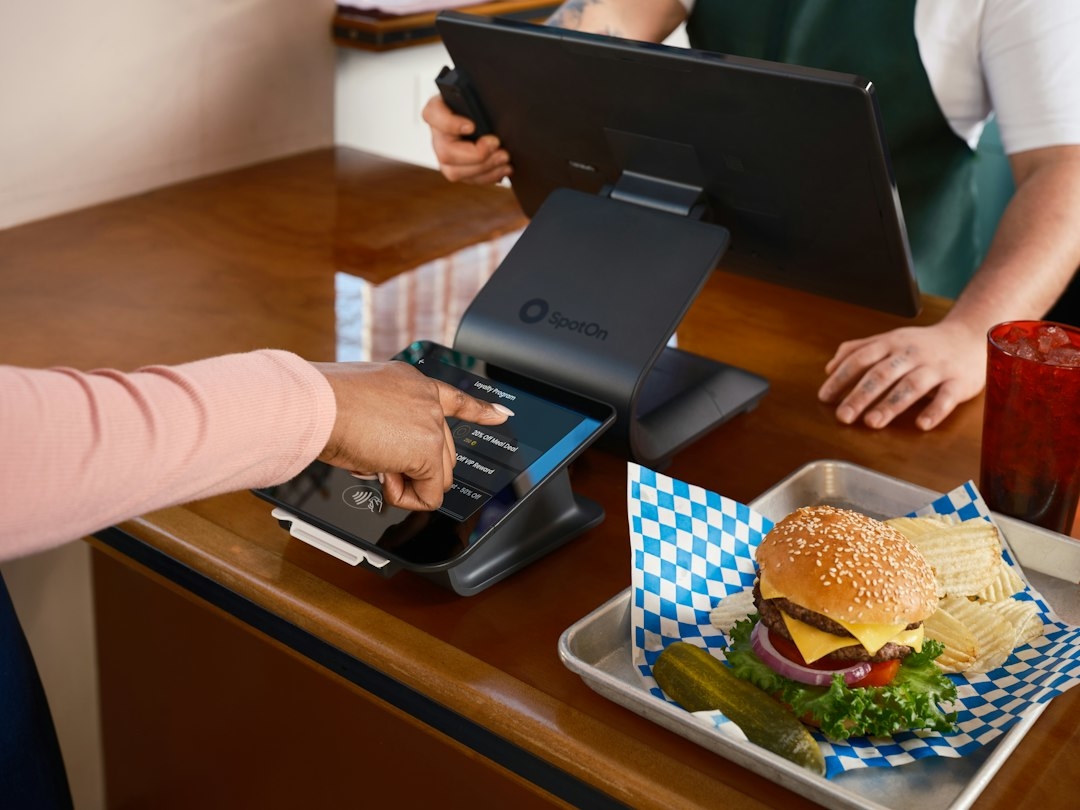
Digital apps like Square Loyalty or Fivestars automate tracking, while simple punch cards work well for smaller, low-tech operations.
Step 4: Promote Your Program Consistently
Train staff to mention the program at checkout and promote it through signage, social media, and email marketing consistently.
What the Pros Know
Successful program operators recommend offering a small welcome bonus immediately upon signup, boosting initial enrollment rates significantly.
A Comparison
Points-based programs offer flexibility, while punch cards provide simplicity; tiered programs work best for businesses with varying purchase levels.
Common Mistakes to Avoid
Overcomplicating reward structures or setting thresholds too high both discourage customer engagement rather than encouraging genuine loyalty.
FAQ
Do loyalty programs really increase revenue?
Yes, studies consistently show loyalty program members spend more and visit more frequently than non-member customers over time.
How much does a loyalty program cost to run?
Digital platforms typically cost $50-$150 monthly, while the reward costs themselves depend on your specific redemption structure.
Should rewards be discounts or free products?
Free products often feel more valuable to customers than equivalent discounts, though both approaches can work depending on your business.
Next Steps
Choose your program structure, set up tracking, and train staff before launching your loyalty program with a promotional push.
Measuring Program Success Over Time
Tracking redemption rates and repeat visit frequency reveals whether your loyalty program genuinely drives measurable behavior change.
Integrating Loyalty Programs With Email Marketing
Combining program data with email campaigns lets you send personalized offers based on individual customer purchase history and preferences.
Training Staff to Promote the Program Consistently
Regular staff reminders and simple scripts ensure every customer interaction includes a mention of your loyalty program’s current benefits.
Adjusting Rewards Based on Customer Feedback
Periodically surveying members about reward preferences helps refine your program to better match what customers genuinely value most.
Launching Tiered Membership Levels
Adding a premium tier with exclusive perks encourages your most loyal customers to spend more in pursuit of elevated status.