Contents:
- Brief Intro
- Preparation
- Step 1: Develop or Source Your Formula
- Step 2: Understand FDA Requirements
- Step 3: Design Compliant Labels
- Step 4: Choose Sustainable Packaging
- A Sustainability Angle
- A Comparison
- Common Mistakes to Avoid
- Add a Cost Breakdown
- Pro Tips
- FAQ
- Do cosmetics require FDA approval before selling?
- What’s the difference between private label and white label?
- How much inventory should I order initially?
- Wrap-Up
- Building Brand Identity Beyond the Product
- Navigating Retail Distribution Requirements
- Working With Contract Manufacturers
A common myth claims launching a cosmetic brand only requires a good formula, though FDA compliance shapes nearly everything else involved.
Brief Intro
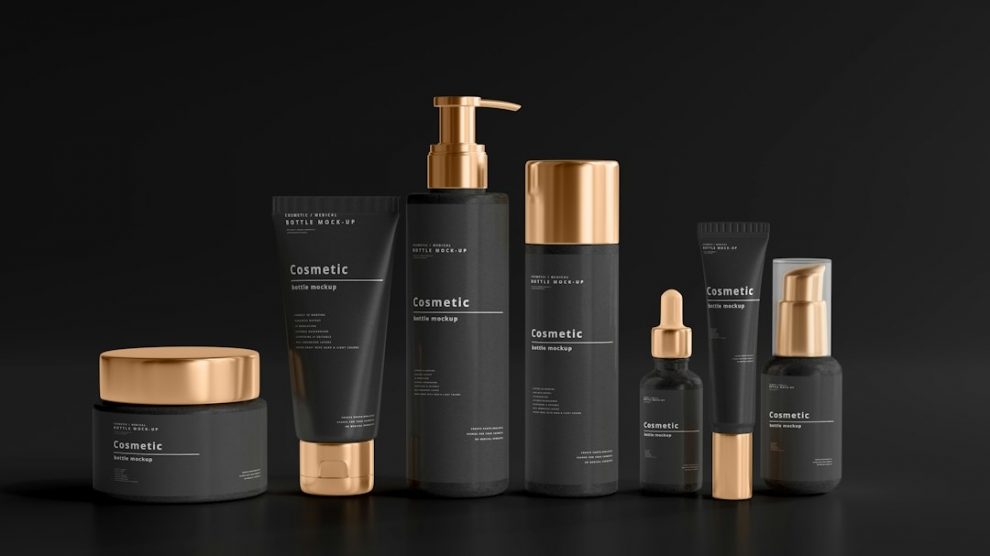
Starting a cosmetic brand involves formulation development, FDA labeling compliance, and packaging decisions that shape both cost and brand perception.
Preparation
Research your target niche, whether skincare, makeup, or hair care, and understand basic FDA cosmetic regulations before formulating products.
Step 1: Develop or Source Your Formula
Work with a cosmetic chemist or reputable private label manufacturer to develop stable, safe formulas suited to your specific niche.
Step 2: Understand FDA Requirements
Cosmetics don’t require FDA pre-approval, but must comply with labeling rules, ingredient safety standards, and accurate claims regulations.
Step 3: Design Compliant Labels
Labels must include ingredient lists in descending order, net quantity, and manufacturer information per FDA labeling requirements.
Step 4: Choose Sustainable Packaging
Increasingly, consumers expect recyclable or refillable packaging options, making sustainability a genuine competitive differentiator in cosmetics.
A Sustainability Angle
Brands using post-consumer recycled packaging and cruelty-free formulations increasingly attract environmentally conscious customer segments.
A Comparison
Private label manufacturing differs from custom formulation; private label offers faster, cheaper launch, while custom formulas build unique brand differentiation.
Common Mistakes to Avoid
Skipping stability and preservative testing, or making unsubstantiated health claims, creates serious legal and safety risks for new brands.
Add a Cost Breakdown
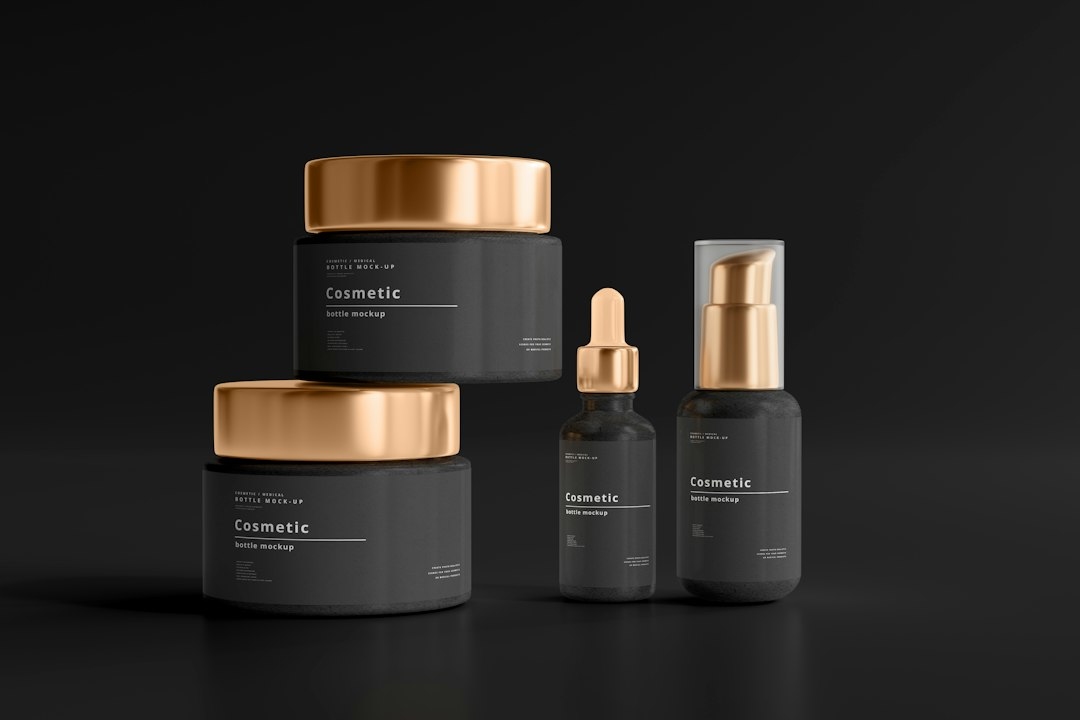
Starting a private label cosmetic line typically costs $5,000-$20,000 for initial formulation, packaging, and minimum order quantities.
Pro Tips
Testing formulas with a small focus group before full production catches issues with texture, scent, or performance early.
FAQ
Do cosmetics require FDA approval before selling?
No, cosmetics don’t require pre-market approval, but companies remain responsible for product safety and accurate labeling compliance.
What’s the difference between private label and white label?
Private label allows some formula customization, while white label uses identical formulas across multiple brands with only packaging changes.
How much inventory should I order initially?
Starting with minimum order quantities, often 500-1,000 units, tests market demand before committing to larger production runs.
Wrap-Up
Balancing formulation quality, regulatory compliance, and sustainable packaging decisions from the start builds a cosmetic brand positioned for growth.
Building Brand Identity Beyond the Product
Strong visual branding and consistent messaging across packaging and marketing differentiate cosmetic brands beyond formula quality alone.
Navigating Retail Distribution Requirements
Major retailers often require additional testing documentation and insurance before accepting new cosmetic brands into their stores.
Working With Contract Manufacturers
Established contract manufacturers already understand FDA compliance requirements, reducing regulatory risk for first-time cosmetic entrepreneurs.