Contents:
- Brief Intro
- Preparation
- Step 1: Source Quality Materials
- Step 2: Develop a Signature Style
- Step 3: Price Your Bracelets Fairly
- Step 4: Launch Your Online Store
- A Sustainability Angle
- Common Mistakes to Avoid
- FAQ
- How much can a bracelet business realistically earn?
- What materials are most profitable for bracelets?
- Do I need a business license to sell handmade jewelry?
- Getting Started Checklist
- Building a Photography Workflow
- Handling Custom and Personalized Orders
- Attending Local Craft Fairs for Exposure
- Collaborating With Complementary Makers
- Tracking Trends in Jewelry Style Preferences
Nearly 80 percent of handmade jewelry sales now happen online, revealing surprising opportunity for new bracelet makers entering the market.
Brief Intro
Starting a bracelet business involves choosing your materials, developing a signature style, and building an online presence to sell your work.
Preparation
Experiment with different materials and techniques, whether beading, wire wrapping, or leather braiding, until you find your distinctive style.
Step 1: Source Quality Materials
Choosing durable beads, clasps, and cords ensures customer satisfaction and reduces costly returns from broken or low-quality bracelets.
Step 2: Develop a Signature Style
Consistent color palettes and design themes help customers recognize your brand and encourage repeat purchases across your product line.
Step 3: Price Your Bracelets Fairly
Calculate material costs, labor time, and desired profit margin, avoiding the common trap of underpricing handmade jewelry significantly.
Step 4: Launch Your Online Store
Etsy remains the most accessible starting platform, though Instagram shopping increasingly drives significant sales for jewelry makers.
A Sustainability Angle
Using recycled metals and ethically sourced beads appeals to environmentally conscious customers increasingly prioritizing sustainable jewelry purchases.
Common Mistakes to Avoid
Underpricing based only on material costs, while ignoring labor time, traps many jewelry makers in unprofitable, unsustainable pricing structures.
FAQ
How much can a bracelet business realistically earn?
Part-time sellers often earn $200-$800 monthly, with established brands scaling significantly higher through wholesale and repeat customer relationships.
What materials are most profitable for bracelets?
Beaded and wire-wrapped designs offer strong margins due to relatively low material costs compared to their typical retail pricing.
Do I need a business license to sell handmade jewelry?
Requirements vary by state and revenue level; check local regulations once your jewelry income becomes substantial and consistent.
Getting Started Checklist
Develop your signature style, price fairly based on true costs, and launch your online store with a focused starting collection.
Building a Photography Workflow
Consistent, well-lit product photography significantly improves online conversion rates compared to inconsistent or poorly lit bracelet images.
Handling Custom and Personalized Orders
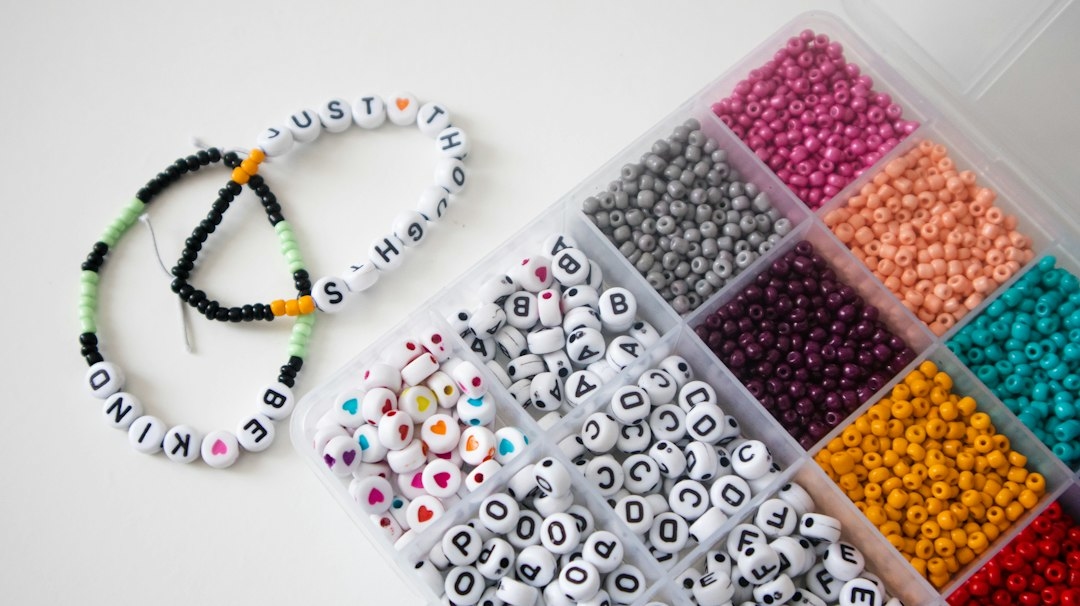
Offering personalized bracelets with names or dates commands premium pricing while creating meaningful, memorable products for customers.
Attending Local Craft Fairs for Exposure
In-person craft fairs let customers see and feel bracelet quality directly, often converting browsers into buyers more effectively than photos alone.
Collaborating With Complementary Makers
Partnering with earring or necklace makers for bundled gift sets increases average order value without expanding your own product line.
Tracking Trends in Jewelry Style Preferences
Following seasonal color trends and popular styles helps you refine your collection to match evolving customer preferences over time.