Contents:
- Quick Answer
- The Problem
- Why Solve This
- Step-by-Step Solution
- Quick Answer Box
- What the Pros Know
- Examples
- Troubleshooting
- FAQ
- What fees come with accepting credit cards?
- Do I need a separate business bank account?
- Can I accept cards without a smartphone?
- Next Steps
- Understanding Chargeback Risk
- Choosing Between Contract and No-Contract Processors
- Setting Up Online Payment Acceptance
- Understanding PCI Compliance Requirements
- Choosing Between Swipe, Tap, and Chip Readers
Long before card readers existed, small business owners once lost customers simply because they couldn’t accept anything but cash payments.
Quick Answer
Accepting credit cards requires a merchant account, payment processor, and either a card reader, online gateway, or point-of-sale system.
The Problem
Cash-only businesses lose sales to customers who prefer or only carry cards, limiting revenue potential and appearing less professional overall.
Why Solve This
Card acceptance increases average transaction size and customer convenience, directly translating into measurably higher overall sales volume.
Step-by-Step Solution
First, choose a payment processor like Square, Stripe, or PayPal, comparing transaction fees which typically range from 2.6 to 3.5 percent. Second, set up your merchant account, providing basic business documentation for verification and fraud prevention purposes.
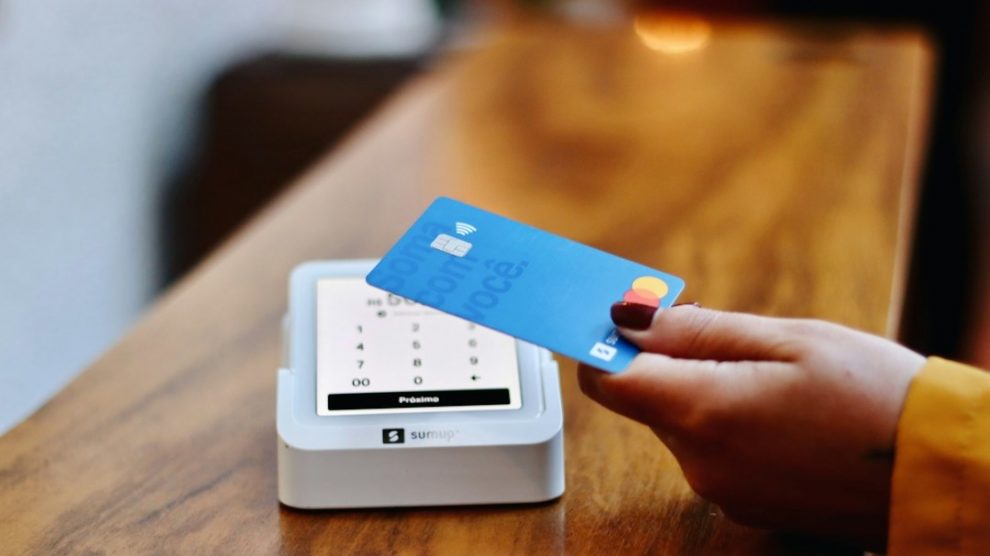
Third, obtain hardware, whether a simple mobile card reader or a full point-of-sale terminal, matching your business’s transaction volume needs.
Quick Answer Box
Most small businesses can start accepting cards within a day using Square or similar mobile processors requiring no long-term contract.
What the Pros Know
Negotiating processing rates becomes possible once your monthly volume grows substantial enough to attract competitive offers from processors.
Examples
A food truck using Square’s mobile reader increased average order value by 18 percent after enabling card payments alongside cash.
Troubleshooting
If transactions frequently decline, verify your internet connection stability and confirm your processor account remains in good standing.
FAQ
What fees come with accepting credit cards?

Expect processing fees of 2.6-3.5 percent per transaction, sometimes with additional flat fees depending on your chosen processor.
Do I need a separate business bank account?
Yes, most processors require a business bank account to deposit funds, separate from personal banking for cleaner bookkeeping.
Can I accept cards without a smartphone?
Yes, standalone point-of-sale terminals work independently, though mobile card readers paired with smartphones remain the most affordable option.
Next Steps
Compare processor fees, sign up for an account, and test your card reader with a small transaction before your first customer.
Understanding Chargeback Risk
Card payments carry chargeback risk if customers dispute transactions, making clear receipts and return policies genuinely important protections.
Choosing Between Contract and No-Contract Processors
No-contract processors like Square offer flexibility, while contract-based processors sometimes offer lower rates for high-volume businesses.
Setting Up Online Payment Acceptance
Adding an online payment gateway alongside in-person processing lets businesses capture sales from customers who prefer shopping remotely.
Understanding PCI Compliance Requirements
Businesses accepting cards must maintain PCI compliance, protecting customer data and avoiding potential penalties from payment networks.
Choosing Between Swipe, Tap, and Chip Readers
Modern readers supporting tap payments process transactions faster, improving customer experience during busy periods significantly.